
Safety Management Systems (SMS) Course
Continuation Training: 2026/27
Course Video Trailer
Sam explains how this course differs to others you may be used to, whilst covering the required regulatory content.
We don't follow the trend, we believe in creating courses that are designed to engage, challenge and empower you ..... as we think we all get far more value this way!
Course Overview
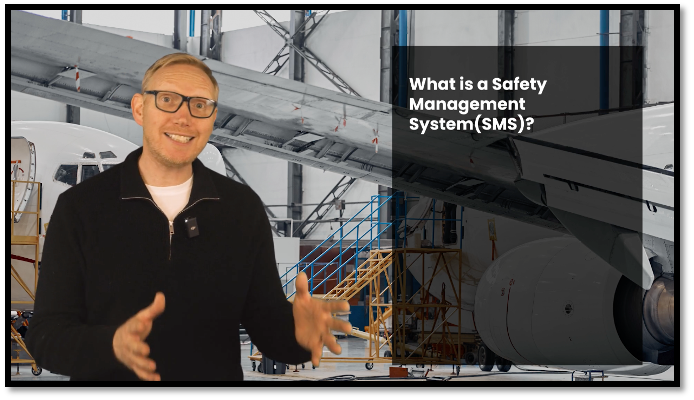
Welcome
This topic demystifies the Safety Management System by exploring its origins and the ICAO "Four Pillars of Aviation Safety". You will learn exactly how the SMS acts as a clear safety roadmap, using the continuous "Plan-Do-Check-Act" cycle to actively manage operational risks.

Safety Policy & Just Culture Principles
This topic examines the organisational Safety Policy, detailing how this living commitment promotes a positive "Just Culture" where honest errors are treated fairly. We highlight your personal ownership and your absolute authority to "STOP" any task if critical safety concerns arise.
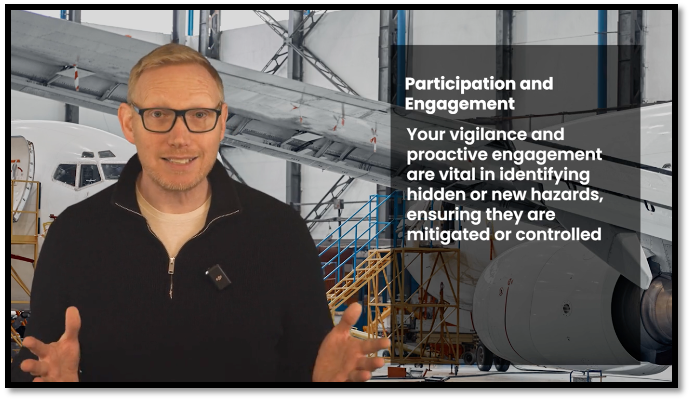
Roles, Responsibilities, and Safety Governance
This topic details how the safety system is structured, outlining specific duties of the Accountable Manager, the Safety & Compliance Manager, and functional managers. We also explore the dynamic network of SMS interfaces and key safety committees, like the Safety Review Board.
Identifying Hazards vs. Risks
This topic clarifies the distinction between a hazard, which is anything with the potential to cause harm, and a risk, which describes how that hazard might actually manifest. We explore reactive, proactive, and predictive methods for identifying dangers using diverse data sources.
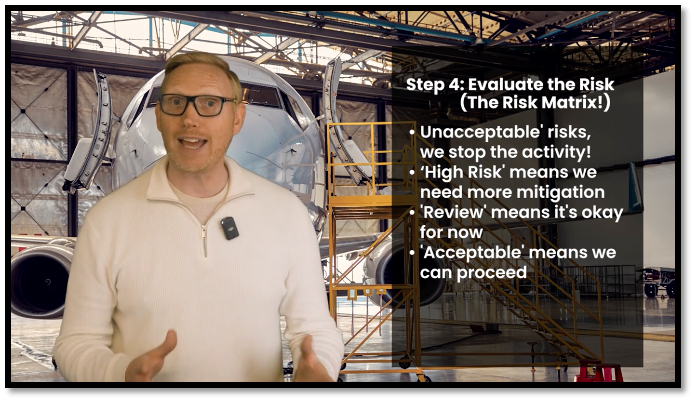
Risk Assessment and the Hierarchy of Controls
This topic walks through the systematic steps of the risk assessment process, evaluating hazard severity and likelihood using a Risk Matrix to achieve ALARP levels. We introduce the "Hierarchy of Controls" as a prioritised framework for mitigating these risks, prioritising elimination over PPE.
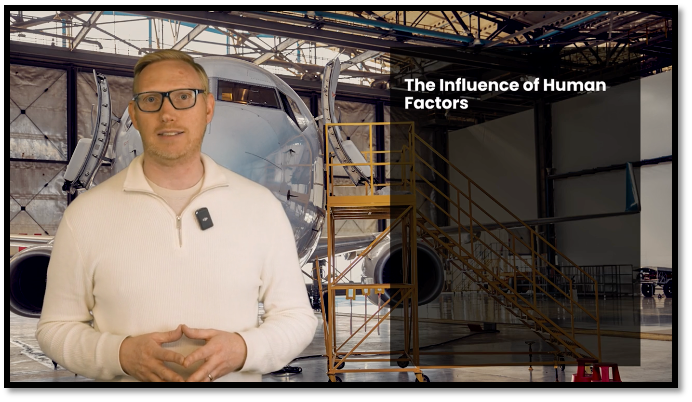
Human Factors & Managing Change
This topic focuses on the massive impact of human interaction on safety, defining errors like slips, lapses, mistakes, and violations. We explain the critical Management of Change process, ensuring organisational shifts do not inadvertently introduce new safety threats to daily operations.

Open Reporting as the Lifeblood of Safety
This topic discusses why open reporting is essential for continuous improvement and how various safety reports capture vital data. We reinforce how a "Just Culture" ensures honest mistakes are treated as learning opportunities, rather than serving as grounds for automatic punishment.
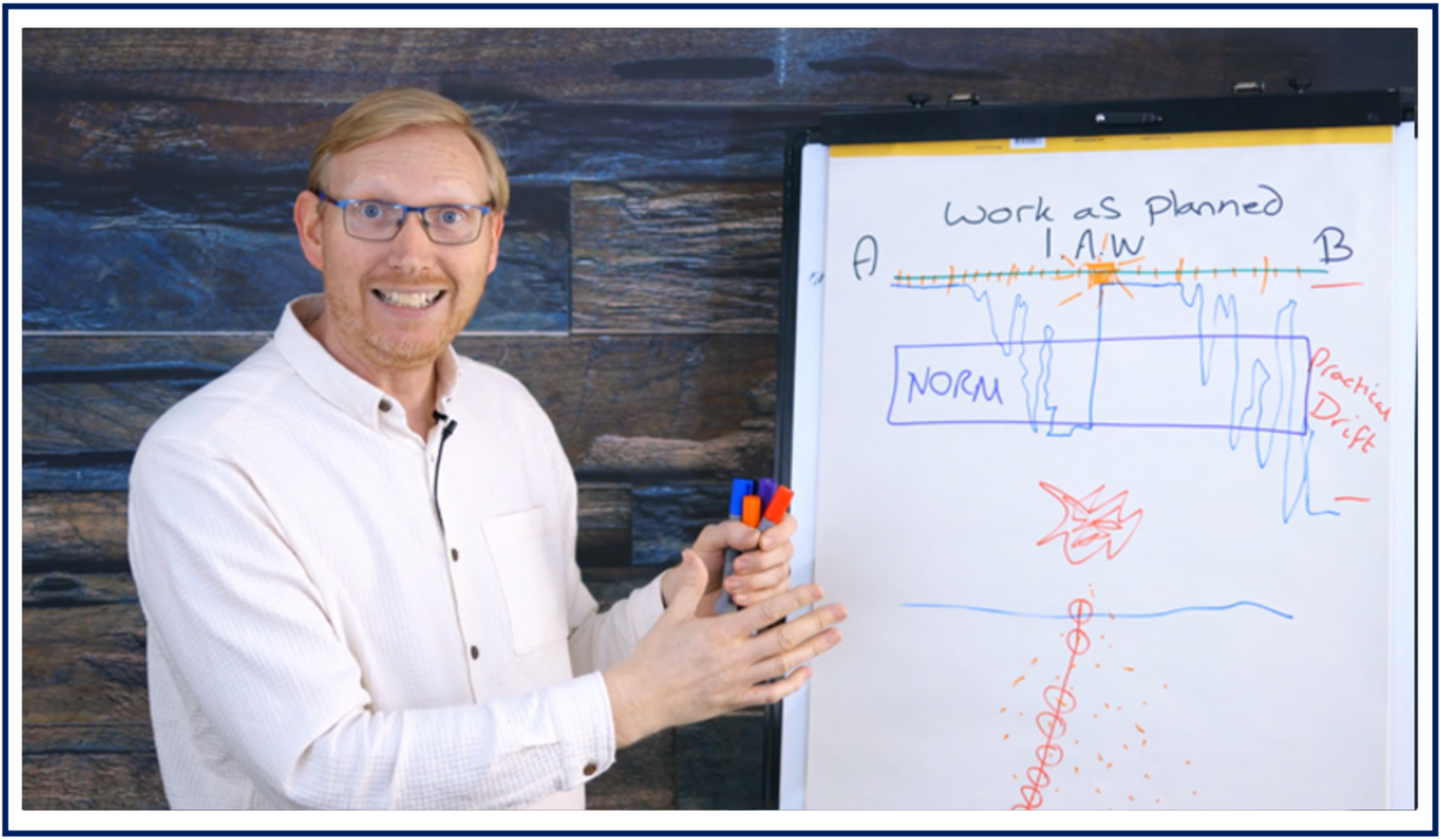
Are you Drifting?
In this lesson I’ll go through a very practical model of what happens in our places of work and what we can do to consciously be aware of this drift. We’ll talk about the true intent behind the Occurrence Reporting process and the mindset we need to have to ensure continued safety.
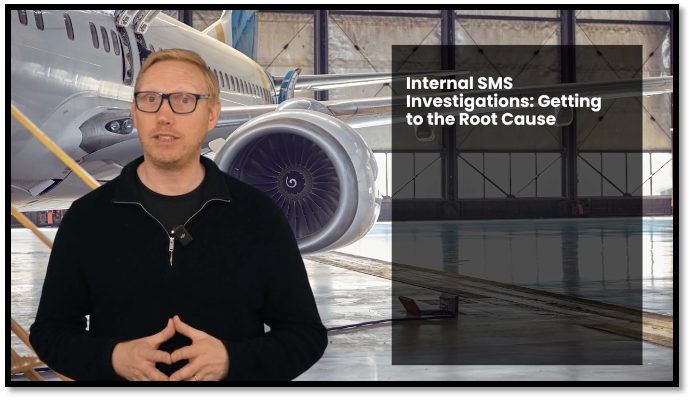
Investigations, Lessons Learned & Performance Indicators
This topic examines how the organisation uncovers root causes of safety events through internal investigations and Corrective and Preventative Actions. We introduce Safety Performance Indicators and surveys, which act as a "safety scorecard" to measure the overall health of the system.
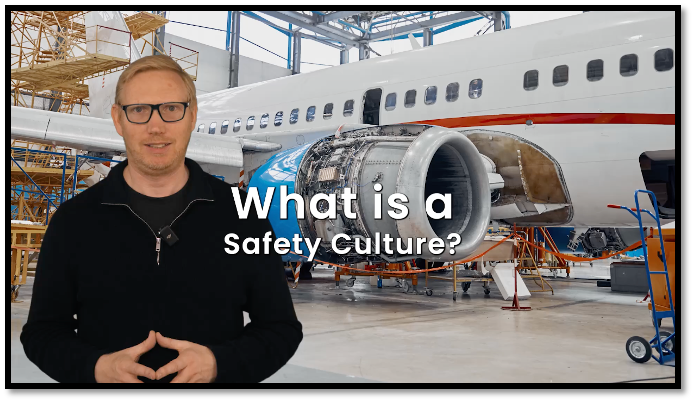
Fostering a Positive Safety Culture
This topic defines safety culture as the shared values and "vibe" dictating daily safety priorities. We highlight the characteristics of a positive culture, the communication channels used to promote safety messaging, and the vital importance of front-line employee operational participation.
Training, Competence & Wellbeing Support
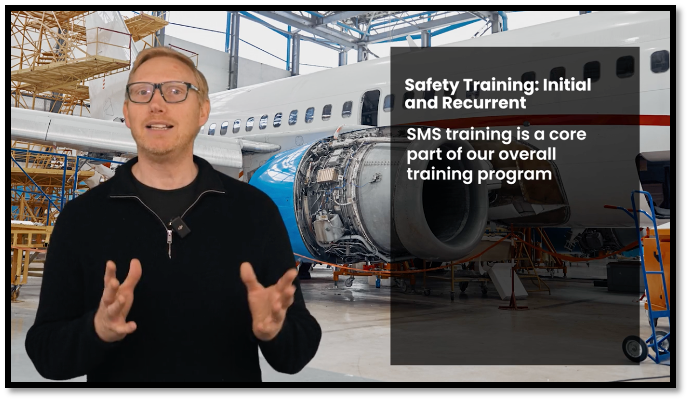
This topic explores the structured approach to safety education and the different levels of SMS awareness training. Crucially, it highlights the organisation's "Caring Culture," detailing psychological wellbeing programs, Employee Assistance Programmes, and specific peer support networks like OsPAN for aircrew.
Compliance Assurance & Continuous Improvement
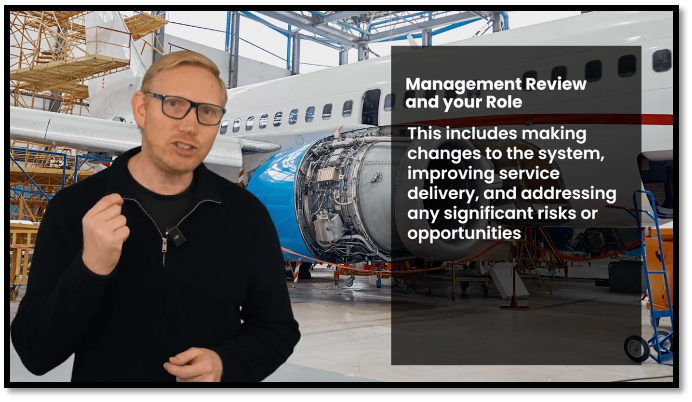
This topic focuses on the safety system's "check" phase, explaining how regular audits verify strict adherence to regulations. We demonstrate how data from reports and surveys feeds a continuous cycle of refinement, driving the ultimate goal of getting safer every single day.

Order today
Safety Management Systems (SMS) Course.
- Get instant access
- Compatible on laptop / tablet / phone (not recommended)
- Approx. 2 - 2.5 hours to complete
- Your price £87 - including certificate
Meet your instructor
Sam Lee
Director of Integra Aerospace / Pilot / Technician
Sam is responsible for the creative direction that we take here at Integra Aerospace, ensuring that the courses we create are far from the traditional eLearning courses you may have been used to.
Taking inspiration from the pilot world (how they produce online content), two decades of personal experience within the aviation and learning and development worlds, Sam and the team strive to create content that is engaging, interactive and above all encourages, challenges and empowers everyone who chooses to take enrol or participate.
Sam is incredibly passionate about making human factors personal and fulfilling the intent behind the regulation.

FAQs
How long will it take me to complete?
How does this course differ to other online courses?
How do I get my certificate?
Can I complete this course in record time?
How do I enrolled get started?
Bulk Enrolments - can I buy for my team?
Course Syllabus
Recent Testimonials
What value did you take away from the course?

Edwin: April 26
- It was a very interesting HF course with nice topics.
- It is always good to realize that you could only affect your own circle of influence and deal with that and leave the other stuff behind.
- Thanks for this training.

Alex: March 26
- The work book is a new concept to me.
- This makes the course more interactive.

Gary: March 26
- I have never done human factors on line before it has always been classroom based, but i have enjoyed it and been impressed how the subject was approached and look forward to trying out some of your examples in a working environment.
